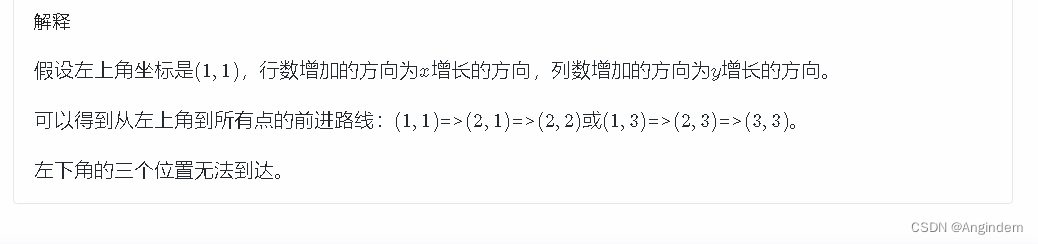
1
2
3
4
5
6
7
8
9
10
11
12
13
14
15
16
17
18
19
20
21
22
23
24
25
26
27
28
29
30
31
32
33
34
35
36
37
38
39
40
41
42
43
44
45
46
47
48
49
50
51
52
53
54
55
56
57
58
59
60
61
62
63
64
65
66
67
68
69
70
71
72
73
74
75
76
77
78
79
80
81
82
83
84
85
86
87
88
89
90
91
92
93
94
95
96
97
98
99
100
101
102
103
104
105
106
107
108
109
110
111
112
113
114
115
116
117
118
119
120
121
122
123
124
125
126
127
128
129
130
131
132
133
| #include <iostream>
#include <vector>
#include <queue>
#include <algorithm>
#include <unordered_map>
#define endl '\n'
#define x first
#define y second
#define mk make_pair
#define YES puts("YES")
#define NO puts("NO")
#define umap unordered_map
#define All(x) x.begin(),x.end()
#pragma GCC optimize(3,"Ofast","inline")
#define ___G std::ios::sync_with_stdio(false),cin.tie(0), cout.tie(0)
using namespace std;
using PII = pair<int,int>;
const int N = 500;
int n,m;
int g[N][N];
int ans[N][N];
bool st[N][N];
int dx[4] = {1,-1,0,0};
int dy[4] = {0,0,1,-1};
inline bool isRun(int &x,int &y)
{
return (~x && ~y && x < n && y < m && !g[x][y] && !st[x][y]);
}
inline void BFS()
{
int step = 0;
queue<PII>q;
q.push(mk(0,0));
while(q.size())
{
int sz = q.size();
while(sz--)
{
auto now = q.front();
q.pop();
ans[now.x][now.y] = step;
st[now.x][now.y] = true;
for(int i = 0;i < 4;++i)
{
int bx = now.x + dx[i];
int by = now.y + dy[i];
if(isRun(bx,by))
{
st[bx][by] = true;
q.push(mk(bx,by));
}
}
}
++step;
}
}
inline void PrintAns()
{
for(int i = 0;i < n;++i)
{
for(int j = 0;j < m;++j)
{
if(j) cout << ' ';
cout << ans[i][j];
}
if(i < n) cout << endl;
}
}
inline void solve()
{
cin >> n >> m;
for(int i = 0;i < n;++i)
{
for(int j = 0;j < m;++j)
{
cin >> g[i][j];
ans[i][j] = -1;
}
}
BFS();
PrintAns();
}
int main()
{
___G;
int _t = 1;
while (_t--)
{
solve();
}
return 0;
}
|